
After the project is complete and the cost has been moved to the appropriate fixed asset account, you would start depreciating the asset over its useful life. This account helps the management to predetermine many costs and future billings to plan all its expenses. Similar to the cost-to-cost method, this unearned revenue method tries to estimate the percentage of completion based on the work performed. But instead of the total cost, they trace the other parameter such as labor hours, machine hours, and units of materials.

Get $20 Off Our PRO Materials
The company’s record revenue depends on the total construction revenue multiplied Suspense Account by the percentage of completion. For instance, it can be a contract to manufacture tires for a car manufacturing company. In this method, the number of units manufactured is divided by the total number of units to be manufactured. According to the matching principle of accounting of accrual accounting, the expenses related to certain revenues must be recorded in the same period when they were incurred.

Applying IFRS 15 to the percentage-of-completion method

Tracking costs during construction helps businesses stay within budget and adjust as needed. Proper CIP accounting ensures compliance with regulations and creates an audit-ready financial record. Accurate CIP accounts reflect the true cost of ongoing projects, providing clarity for stakeholders. This guide explores what CIP accounting is, why it’s important, and how to implement best practices in your construction business.
Conclusion: Simplify Your Finances with CIP Accounting
- After the completion of construction, the company will record depreciation on the asset.
- In most cases, this account is known as the construction work-in-progress account.
- If you are planning to make it in the construction industry, you and your accountant need to be on the same page when it comes to understanding over and under billing.
- This will give us the difference between recognized (earned) revenue and actual billings.
- As work is done, invoices are sent out and the client pays for the portion of the project that is completed.
- Properly applying this method requires robust cost estimation and progress tracking to determine accurate completion percentages.
Generally speaking, any difference between the original contracted amount and the Projected Revenue is the result of change orders. Incidentally, most contractors use cost to define percentage of completion but other measures can be used as well such as total man hours worked, total units etc,. First off, WIPs should be built for each individual project the company is running and aggregated for an overall view of the company’s true financial performance. Also, it’s really important that data used in the WIP calculations is exact, so it’ll you’ll want to get both your accountant and your project manager together on making sure you’re capturing the right projections.
Accounting Corner on Youtube
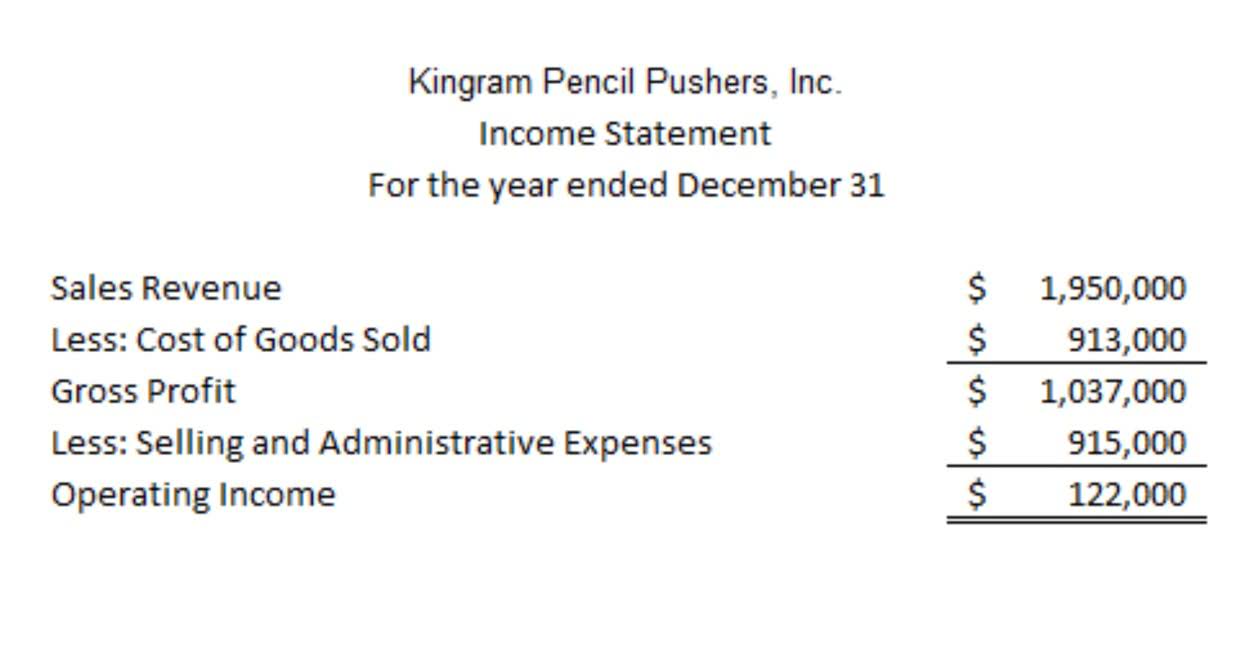
CIP accounting is important because it can easily be used to manipulate financial statements. Generally accepted accounting principles (GAAP) requires the percentage of completion in journal entries whenever possible to account for construction in progress. Construction-in-progress (CIP) is an account in which the costs incurred to build a fixed asset are stored. This account is only used while an asset is being constructed, after which the total cost is shifted to another fixed asset account. This account typically contains the costs of labor, materials, and overhead construction in progress journal entry incurred during a construction project. The concept is similar, we calculate the percentage from the incurred unit and compare it with the total unit expected.
- Overall, the completed contract method provides flexibility in accounting for long-term construction projects but requires careful tracking to allocate costs and revenues to the appropriate reporting period.
- By implementing best practices and leveraging professional support, you can ensure your financial records are accurate and audit-ready.
- It is an internal document used to help construction project managers and accountants stay on the same page, so each company may choose to set theirs up differently depending on its needs.
- Overall, linking spreadsheets with platforms like QuickBooks or Sage can optimize construction project accounting and unlock deeper financial analysis capabilities.
- ✦ Abandonment occurs when a construction or development project is discontinued before completion and will not be resumed.
- My WIP entries will not show up there since they are assets and not expenses.